Accessibility Tools
Skip to main content
How can we help you?

Waste and Recycling

Dog Control and Dog Fouling

In this section

The Public Spaces Protection Order – Dog Control (Wychavon District Council) 2026 Draft

The Anti-social Behaviour, Crime and Policing Act 2014 (“the Act”)

The Public Spaces Protection Order – Dog Control (Wychavon District Council) 2026 


Wychavon District Council (in this Order called “the Authority”) hereby makes the following Order under section 59 of the Act having had particular regard to the rights of freedom of expression and freedom of assembly secured in Articles 10 and 11 of the European Convention on Human Rights and having carried out the necessary consultation, notification and publicity required by section 72 of the Act.


This Order comes into force on                   for a period of 3 years. 

General provisions: 

1.     This Order applies to all land in the administrative area of the Authority to which the public or any section of the public has access, on payment or otherwise, as of right or by virtue of express or implied permission.

2.     A person who fails to comply with any obligation imposed by this Order is guilty of a criminal offence by virtue of section 67(1) of the Act and liable to a fine on summary conviction not exceeding level 3 on the standard scale.

3.     A police officer or an authorised officer of the Authority may issue a fixed penalty notice to a maximum of £100 to anyone they believe has committed an offence as an alternative to prosecution.

Obligations on persons with dogs: 

4.     Dog Fouling

If a dog defecates at any time on land to which this Order applies, the person in charge of the dog at the time must remove the faeces from the land immediately unless:

(a)  they have a reasonable excuse for failing to do so; or

(b)  the owner, occupier or other person or authority having control of the land has consented (generally or specifically) to their failing to do so.

5.     Dogs to be placed on leads when directed

A person in charge of a dog on land to which this Order applies must comply with a direction given by a police officer, community support officer or authorised officer of the Authority to put and keep the dog on a lead unless:-

(a)  they have a reasonable excuse for failing to do so; or

(b)  the owner, occupier or other person or authority having control of the land has consented (generally or specifically) to their failing to do so.

A direction under this Order may only be given if such restraint is reasonably necessary to prevent nuisance or behaviour by the dog that is likely to cause annoyance or disturbance to another person, or to a bird or another animal.

6.     Dog exclusion zones

A person in charge of a dog must not take the dog into, or keep the dog within, a children’s play area that is designated and marked for children’s play and signed at its entrance or entrances as a “dog exclusion area” (whether the sign uses those particular words or words and/or symbols having like effect), unless:

(a)  they have a reasonable excuse for failing to do so; or

(b)  the owner, occupier or other person or authority having control of the land has consented (generally or specifically) to their failing to do so.

7.     Requirement to carry means to remove dog faeces

A person in charge of a dog on land to which this Order applies must have with them an appropriate means to pick up dog faeces deposited by that dog unless:

(a)  they have a reasonable excuse for failing to do so; or

(b)  the owner, occupier or other person or authority having control of the land has consented (generally or specifically) to their failing to do so.

The obligation is complied with if, after a request from a police officer, community support officer or authorised officer of the Authority, the person in charge of the dog produces an appropriate means to pick up dog faeces.

8.     Exemptions

Nothing in this Order applies to a person who:

(a)  is registered as a blind person in a register compiled under section 29 of the National Assistance Act 1948; or

(b)  a person with a disability affecting their mobility, manual dexterity or ability to lift, carry or move everyday objects and who relies upon a dog trained by a prescribed charity for assistance.

For the purpose of this Order: 

·       A person who habitually has a dog in their possession is to be taken to be in charge of the dog at any time unless, at that time, another person is in charge of the dog.

·       Placing the faeces in a receptacle on the land that is provided for that purpose, or for the disposal of waste, is sufficient removal from the land.

·       Being unaware of the defecation, whether by reason of not being in the vicinity or otherwise, or not having a device or other suitable means of removing the faeces, is not a reasonable excuse for failing to remove the faeces.

·       “Authorised officer of the Authority” means an employee, partnership agency or contractor of Wychavon District Council who is authorised by Wychavon District Council for the purposes of giving directions under this Order.

9.     The Council is satisfied that the conditions set out in sections 59 and 72 of the Act have been met and that it is, in all the circumstances, expedient to make this Order.

10. An ‘interested person’ as defined by section 66(1) of the Act may apply to the High Court to question the validity of this Order on the grounds specified in section 66(2) of the Act within 6 weeks of the date that this Order has been made.

Dated this             day of                          2026


THE COMMON SEAL of WYCHAVON DISTRICT COUNCIL was

hereunto affixed in the presence

of:-


Chief Executive:
 

Read more …Dog Control and Dog Fouling

Reusable nappies

In this section

Some shocking statistics about disposable nappies:

  • On average each child will go through 3,796 nappies in their lifetime
  • It is estimated to take 300-500 years for a single used nappy to decompose in a landfill site. Bearing in mind that single-use nappies have only been about for about 75 years, not one single one has decomposed yet – if Henry VIII had worn disposable nappies, they would still be in a landfill site!
  • By swapping out one single-use nappy for a reusable you could remove 912 nappies from the waste stream
  • Seven million trees are cut down every year just to make disposable nappies for the UK

Source: The Nappy Lady

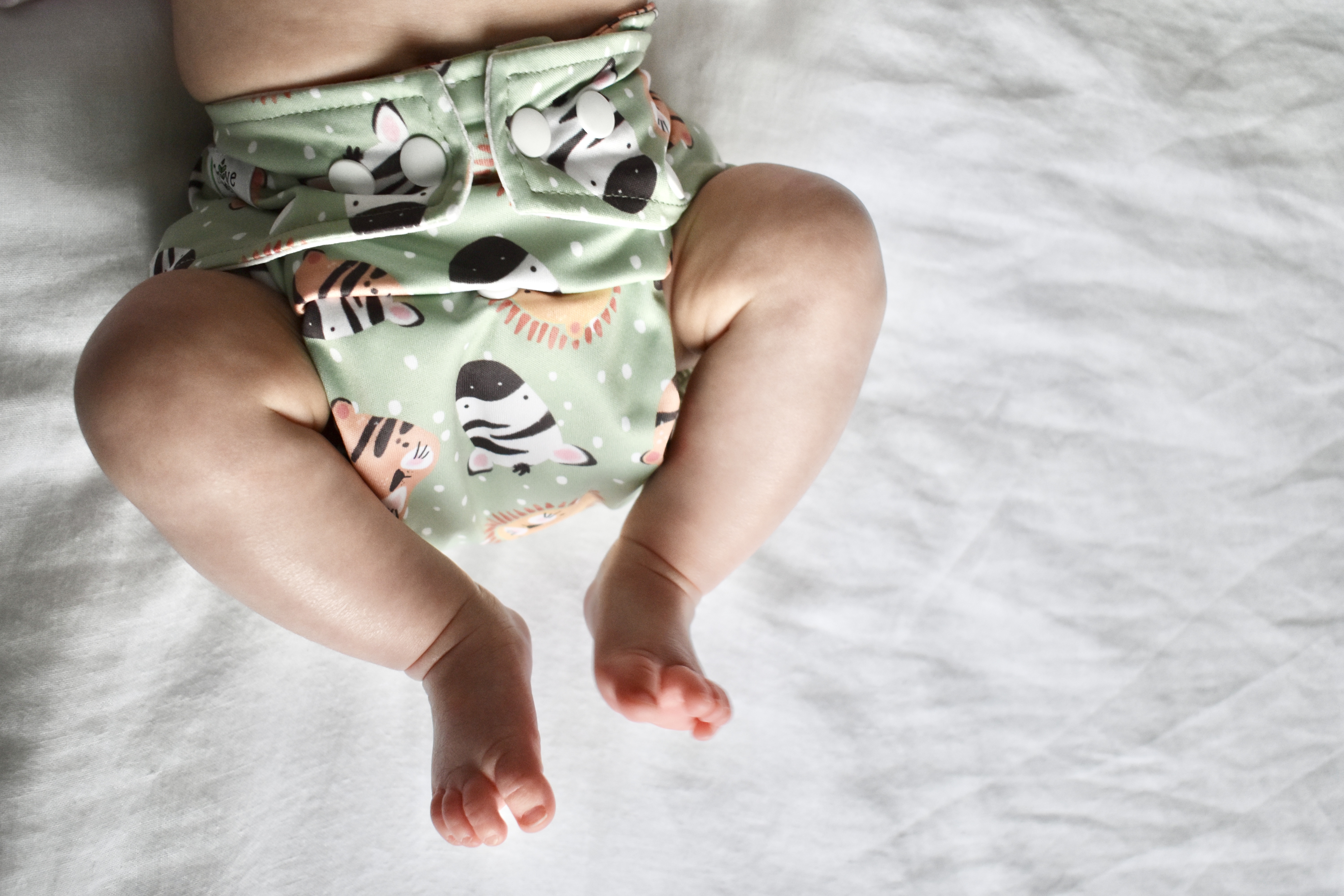
Image of the lower half of a baby, wearing a green animal print reusable nappy

What is the problem with disposable nappies?

The vast majority of babies born in the UK each year use disposable nappies.  A staggering 3 billion nappies are thrown away annually and they make up about 3% of the rubbish collected by councils.  In Wychavon this equates to over 500 tonnes of nappy waste which cost taxpayers over £60,000 in disposal costs.

Disposable nappies also make up about 4% of the contamination experienced in Worcestershire’s recycling bins.  Research by Keep Britain Tidy showed that it is a combination of confusion over the wrappers saying “recyclable”, which only applies to the packaging plus lack of capacity in bins, particularly when councils only empty rubbish bins every 2 weeks.

Parents choose disposable as they are convenient to use and get hold of and there is still a perception that reusable nappies are the Terry towelling ones used by previous generations and left to soak in buckets by the washing machine.  Modern reusable nappies are easy to use, wash and dry quickly and come in a variety of materials, styles and designs to make your baby’s bottom a fashion statement!

Why choose reusable nappies?

There are lots of benefits of using reusable nappies:

Kinder to baby

Babies in reusable nappies, which are made of less processed materials and plastics, generally experience less nappy rash. 

Money saving

By the time your baby is using the potty, you will have changed as many as 4500 nappies.  At an average cost of 11p per disposable, this can add up to a lot of money.  Recent research has shown that parents can save anything up to £1000 over the lifetime of using nappies, depending on their choice of nappies.  Savings stack up further when used on subsequent children.

Good for the environment

Reports have shown that a 40% carbon saving can be made through using reusable nappies compared to using disposables and yes, that includes all the washing!  There is no hard evidence of how long disposable nappies take to degrade in a landfill site (some people have said 500 years) due to all the plastic contained in them.  If nappies go to an Energy from Waste plant, like they do in Worcestershire, the burning of the nappies generates carbon which is emitted into the atmosphere.

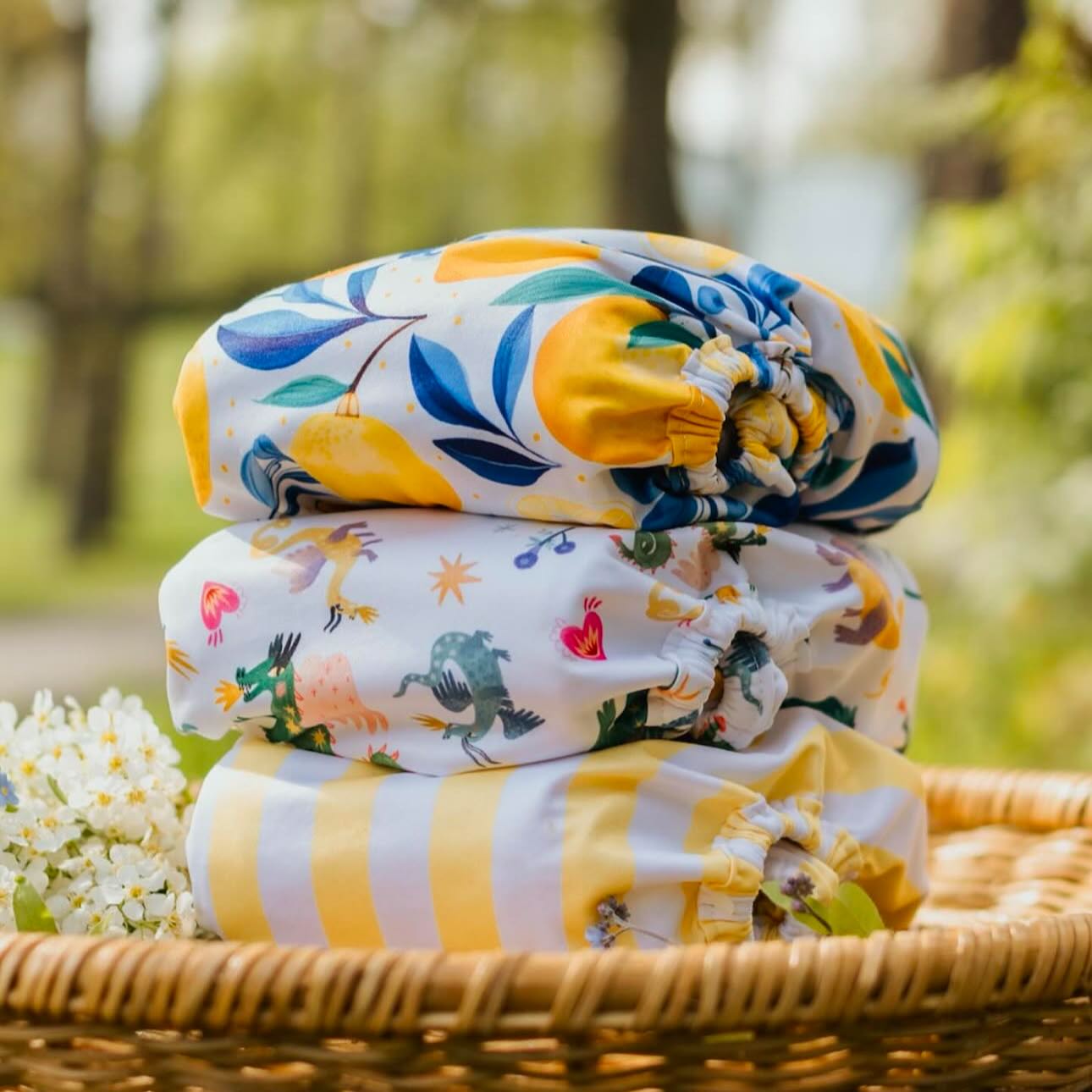
Colourful  image of a stack of a reusable nappies resting in a wicker basket, outside

Materials

Reusable nappies come in a wide variety of fabrics including:

  • Cotton – soft and very absorbent
  • Bamboo or hemp – very absorbent and great for night nappies
  • Microfibre – dries quickly so you need fewer of them
  • Fleece – used for lining the nappies as wick away moisture

Washing

New babies create a lot of washing whether you use reusable nappies or not!  The good news is that reusable nappies are more bombproof than disposables once you get the fit right and are really easy to wash. Just store nappies that need washing in a waterproof nappy bag or lidded bucket, no need to soak them anymore.

Pop them into the machine every two to three days on a 60° wash or 40° with sanitiser.  Fabric conditioner reduces absorbency and your usual non-Bio detergent is fine. Line dry where possible or on an airer.  Some nappies can be tumble dried but check first!

Check out our how to wash reusable nappies section for more information on washing and drying reusable nappies.

Frequently Asked Questions

  • Can I use reusable nappies on a newborn?

    Yes.  Reusable nappies can be used from birth and are also available in premature baby size.  You can start using reusable nappies at any stage, but the earlier you start, the more money you will save.

  • Do reusable nappies leak more than disposables?

    If your nappy leaks it may mean you need a different size, in the same way as a disposable, but the first thing to check is if it has been fitted right.  Check whether the wrap is covering all of the cloth or if it is too loose around the leg holes.  See our Problem Solving sectionAs your baby gets older or at night you may need to use a booster for additional absorption.

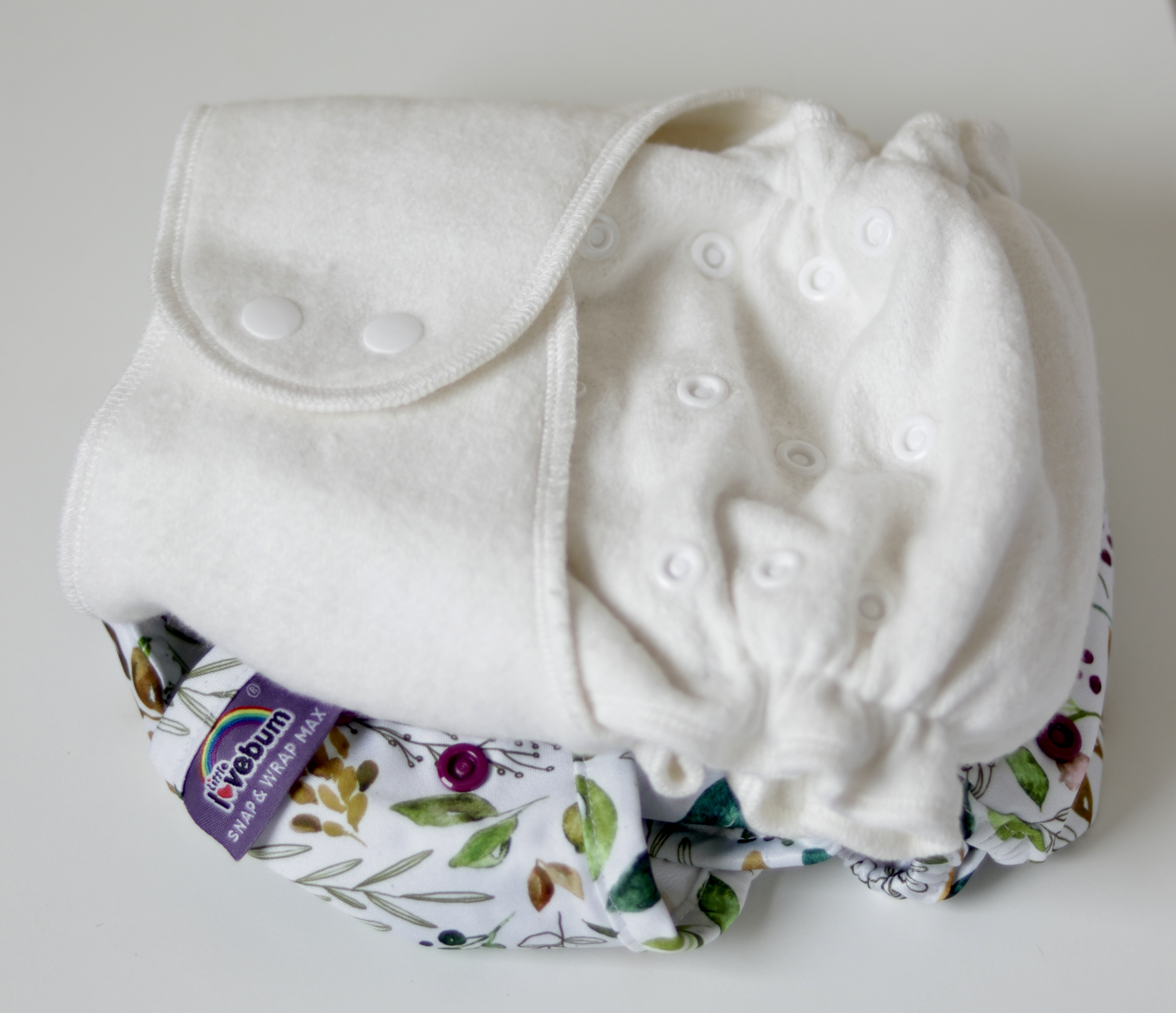
  • Pile of two reusable nappies

    How many nappies will I need?

    We estimate that fifteen to twenty nappies should allow you to wash every other day and still be able to maintain a routine that does not see you running out of clean nappies.  If you put other items in the machine with the nappies, washing every day works well.  If you intend air drying, then you will need extra nappies whilst they are drying.  If you have limited space to dry, you might want to consider nappies made of synthetic fabrics that dry in a few hours.

  • Do babies who wear reusable nappies get nappy rash?

    Washable nappies come with your choice of liner to make disposal of poo easier.  With a fleece liner, the skin stays dry and incidents of nappy rash are rare.  You can alternatively choose disposable liners or even silk liners depending on your baby’s needs.

  • Do I need to use reusable nappies all the time?

    No. It might not be convenient to use them all the time.  Mix and match according to your activities.  The advantage of reusable nappies is they can fit into your life as little or as much as you need and each time you use one you are saving money and the environment.

  • Can I get help in choosing the nappies I need?

    The Nappy Lady website has loads of information and guides and can even do 1:1 demonstrations via Zoom.  Visit the Nappy Lady website for help and advice.


  • What if I am unsure whether I want to swap to reusable nappies – can I try before I buy

     Worcestershire Nappy Library have kits that you can borrow free of charge to see whether you like reusables and includes examples of the different types of nappies available so you can see what suits your lifestyle and your baby. 


    The Nappy Lady also has kits you can hire or rent.

Cashback scheme

Once you have decided to take the plunge and swap to reusable nappies you can receive £50 from Wychavon towards the purchase of your nappies via The Nappy Lady website,

How to apply:

  • Fill out the application form for the Wychavon Real Nappy Cashback Scheme
  • Send us either a copy of your MAT-B1 form if you haven’t yet had your baby or a copy of the baby’s birth certificate plus proof of residence in Wychavon
  • We will then send your details to The Nappy Lady, and they will be in touch with a code that you can redeem on their website

Cashback scheme APPLICATION FORM

Terms and conditions of application:

  • This offer is open to residents of Wychavon only
  • Cashbacks must be claimed by the end of the financial year in which you apply (i.e. 31st March)
  • Only open to children up to two years old
  • Applications must have the MAT-B1/birth certificate attached – applications without these documents will be delayed/not processed
  • Cashback can only be redeemed on the Nappy Lady website towards the purchase of reusable nappy products and cannot be used to purchase swim nappies, wipes, buckets/storage, detergents.

For information about how your data will be used, read our Privacy Notice

Read more …Reusable nappies

Eat what you buy

In this section

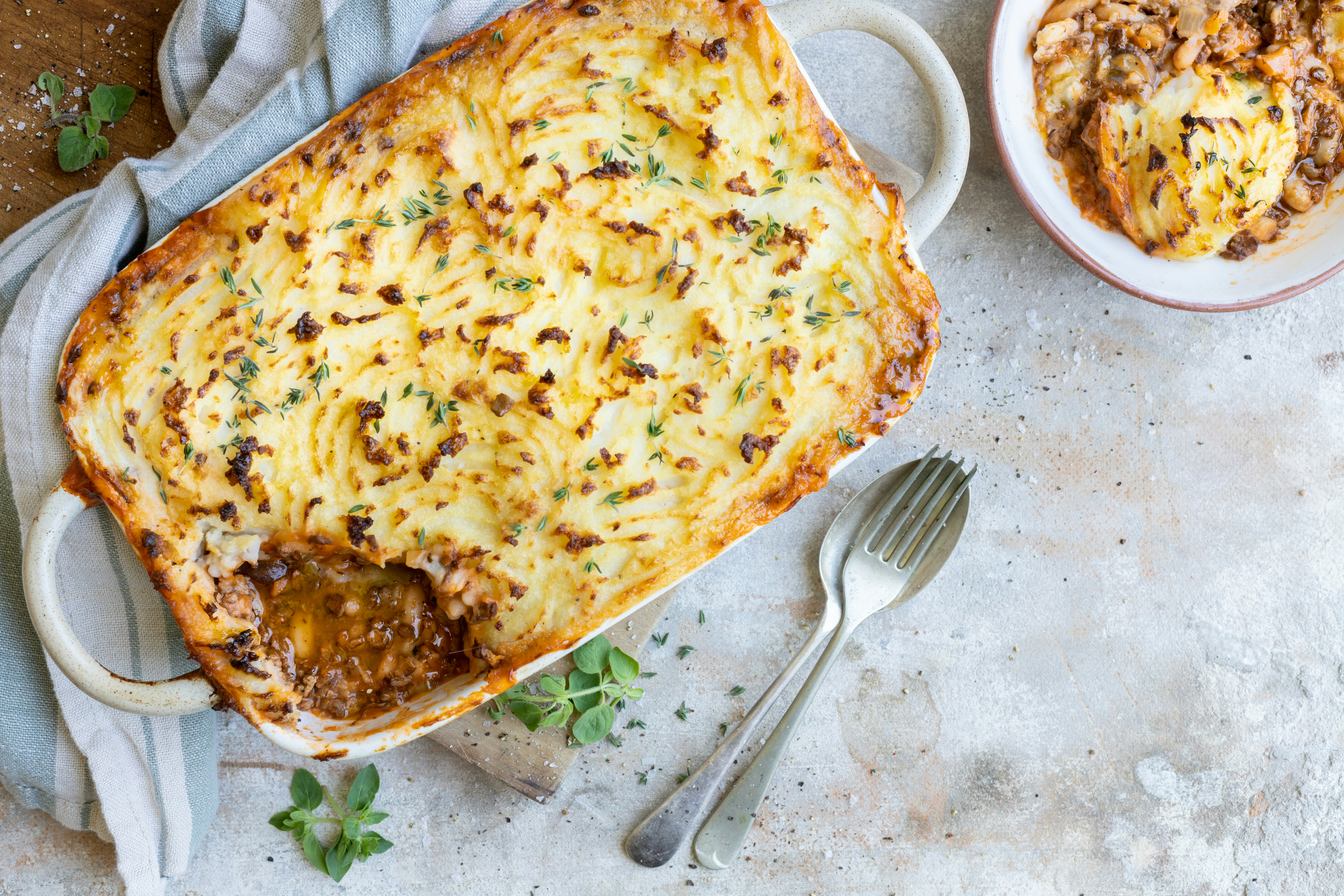
Shepherds pie with fork and spoon utensil

Once you have bought the food, you need to ensure that you eat all of it. Whether that’s planning your meals and only buying the ingredients you need, through storing your food correctly once its is bought, making sure you don’t throw any food away unnecessarily is vital in the fight against food waste. 

Not everyone is going to like what you cook, especially children, but if you get them involved in the whole process of buying and cooking they may feel more engaged and willing to try new things.

Turning leftover meals and ingredients into a tasty snack or whole new meal is one of the best ways to make food go further. 

Make sure to cool leftovers as quickly as possible. Then store them in the fridge or freezer (if saving for a later date). Eat them within two days if stored in the fridge (one for rice) and reheat until piping hot.

If eating the same meal two days in a row isn’t for you, try these tips to reimagine your leftover food into a brand-new meal:   

  • Leftovers from a Sunday roast? Create a leftover chicken pie or add them to a curry.
  • Cooked too much rice? Fry it with some leftover vegetables, soy sauce and an egg or two, heat thoroughly and you’ve got egg fried rice.
  • Overdone it on the pasta? You can’t go far wrong with a pasta salad to bring it back to life. You can add in whatever is in your salad draw or fridge to use up those leftovers

Read more …Eat what you buy

Know your dates

In this section

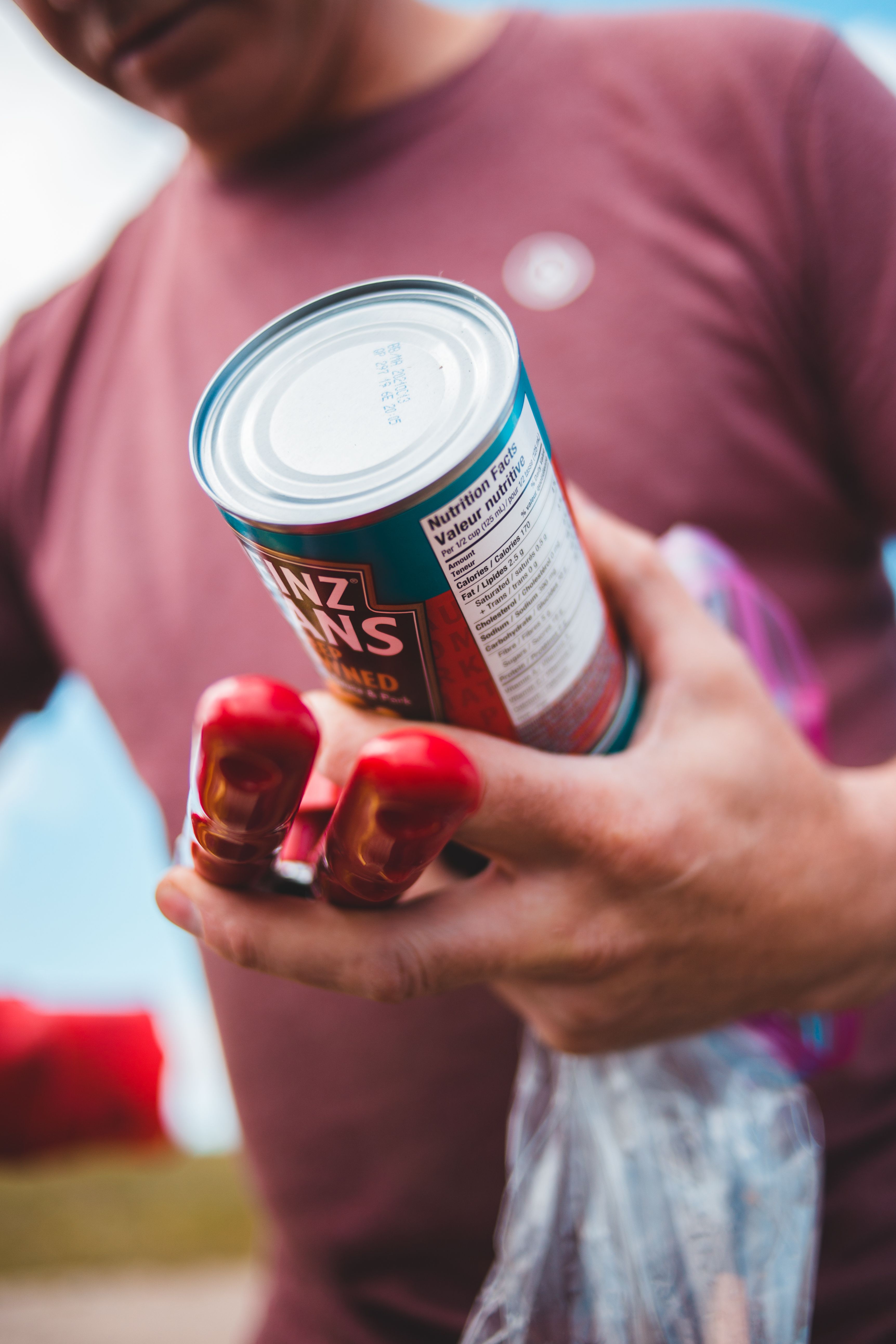
Man holding baked bean tin and can opener

The need to eat all of the food we buy has never been higher up the agenda. Getting to know food date labels can help us to use all of the food we buy.

According to waste agency, WRAP, approximately £5.7 billion worth of food is wasted each year as it is ‘not used in time.’ Confusion around what date labels mean and storage guidance is a major contributing factor. Whilst food waste has implications for our hard-earned cash, wasting food also puts a strain on our natural resources and increases greenhouse gases.

Use By Date is about safety 

Use By Dates relate to the food’s safety and are the most important date to remember! Foods can be eaten (and most can be frozen) up until the Use By Date, but not after. You will see Use By Dates on food that goes off quickly, such as meat products or ready-prepared salads. For the Use By to be a valid guide, you must carefully follow storage instructions. 

Best Before Date is about quality 

Best Before Dates relate to the quality of the food, not its safety. I.e., the food will be safe to eat after this date but may not be at its best in terms of texture or flavour. However, in many instances, food will taste the same after its Best Before Date. In some cases, these foods can be given a new lease of life with a quick culinary transformation. For example, vegetables that are bendy or withered can be cooked. Bread that is a little stale can be toasted. Biscuits that are a little soft can be put into puddings and cheese can be trimmed down or melted. 

The Best Before Dates appear on a wide range of fresh, frozen, dried and tinned foods. Like the Use By Date, the Best Before Date will only be accurate if the food is stored according to the instructions on the label and your fridge is at the correct temperature.

Four foods with “Best Before” dates and what to do with them:

Bakery items and confectionary

  • biscuits, chocolates and confectionary can be used in a new dessert (tiffin, cheesecake base, refrigerator cake)
  • bread can be toasted, made into breadcrumbs, croutons, crisps or classic dishes like Panzanella or Fattoush, or less conventional lasagnas or savoury steamed dishes
  • croissants and buns make a luxury bread and butter or summer puddings
  • flour is another common item with a Best Before Date, If it looks a normal colour and texture then it is fine to eat

Fruit and vegetables

  • you should be able to clearly see and feel when fruit and veg are past their best
  • you can cut around imperfections
  • soak fruit or veg in a bowl of water or cook lightly to add extra life


Cheese

  • many cheeses come with a Best Before Date
  • moulds added to cheese to either create their rind, change their colour, taste or texture, will continue to grow but that doesn’t mean the cheese is not in good health
  • most naturally occurring moulds that grow after a Best Before Date can either be simply scraped or cut off

Frozen food 

  • you can freeze virtually all foods
  • food can remain frozen indefinitely and technically be safe to eat, as bacteria will not grow
  • however, over time all frozen food will deteriorate in quality and may become un-appetising to eat when defrosted
  • the time it takes for this deterioration to happen varies between foods

Read more …Know your dates

Store cupboard heroes

In this section

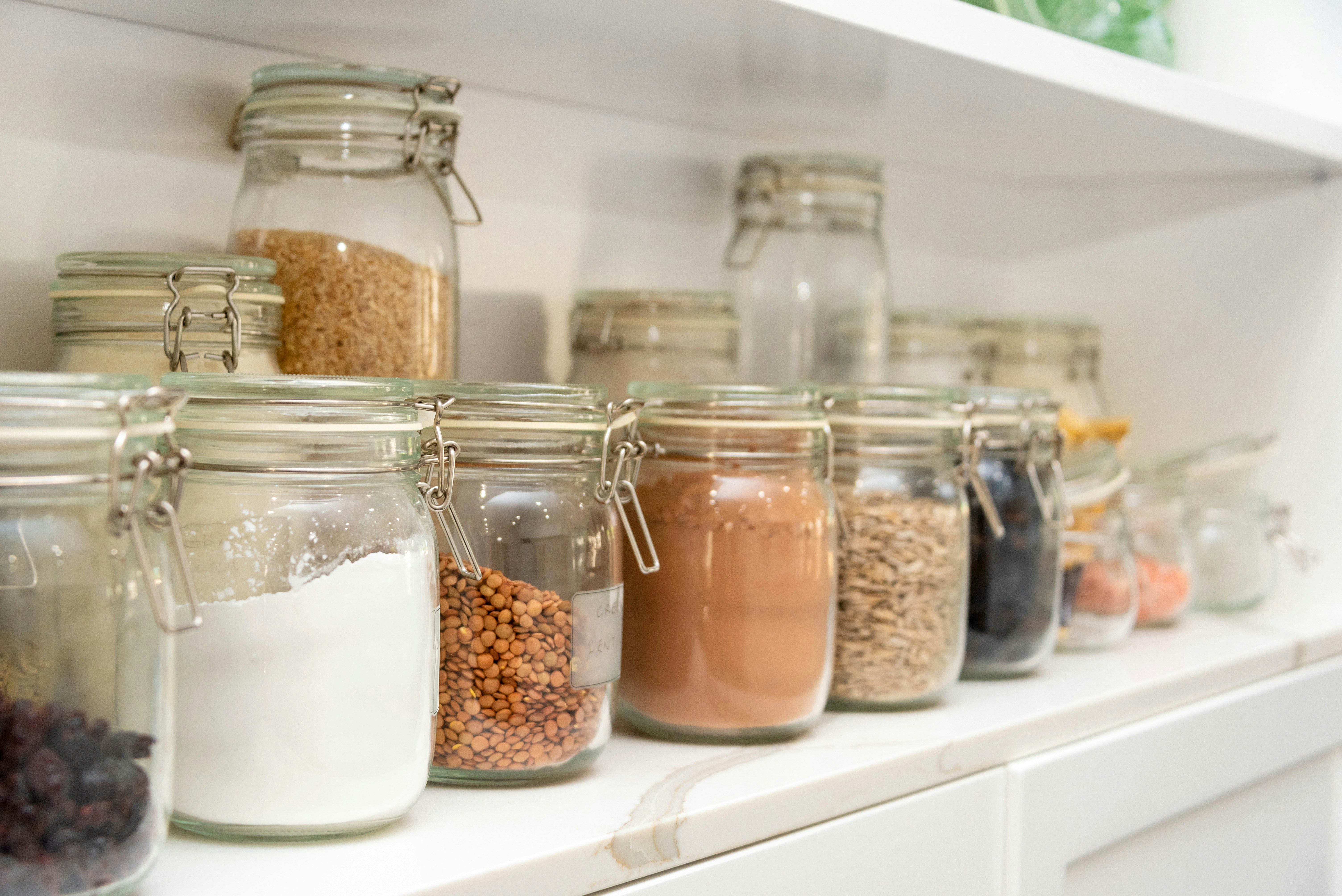
Pantry with food jars

Having a good selection of items in your cupboard will enable you to cook meals quickly and easily. If you can have the following in our store cupboard it will enable you to make a quick and easy meal anytime:

  • lentils: these carry flavour and are a great meat replacement in a bolognaise or to bulk up a mince dish to save money and make the food go further
  • frozen vegetables: frozen veg is picked and frozen at is prime and has no less nutritional value than fresh, they are usually prepped so you can use as much as you want and are ideal for stews, curries or soup
  • frozen herbs: freeze from fresh or buy already frozen
  • dried spices: having a good selection of dried spices such as curry powder, Turmeric, Paprika, chilli flakes or cumin can add an instant hit of flavour to a dish
  • capers and gherkins: these can add a nice kick of salt to dishes, capers are great in pasta or panzanella
  • sauces: siracha, soy or Worcestershire sauce will add loads of flavour to all sorts of dishes; from scrambled eggs to cheese on toast
  • tinned beans: like lentils they are full of flavour and protein and can be used to bulk out a dish
  • dried or vacuum-packed noodles: make a quick snack with noodles, soy sauce and leftover meat and vegetables, try a fridge forage stir fry using whatever is in your fridge
  • packet rice: like the noodles, it can be used to make a quick meal; add eggs, vegetables and soy sauce and you have egg fried rice

Read more …Store cupboard heroes

Get in touch

Still can't find what you're looking for?

Contact us for help with services not available online.
Wychavon - Background shape